
Indians, Africans, Chinese, and Europeans—all settled here over centuries, creating a unique blend seen in Cultural Events in Mauritius, where temples, mosques, and churches stand side by side and festivals overlap throughout the year. The Indentured Labourers Day in Mauritius remembers those tough early days when ships brought workers who never left.
Hindu Religious Observances
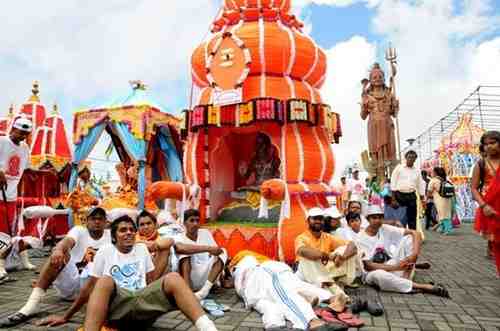
Shivaratri turns Grand Bassin into something unreal. Picture 300,000 people walking toward a lake in mountains. It starts around 2 AM when roads get packed with white-clothed devotees. Younger guys balance massive bamboo structures called kanwars—some weigh 40 kilos easy. Blisters form after the first 10 kilometers, but nobody complains. Shopkeepers set up free water stations and hand out glucose biscuits. The Diwali celebration in Mauritius lights everything up—oil lamps everywhere, kids running around with sparklers, sweets getting exchanged between houses until midnight.
Chinese Cultural Festivities
Weeks before Chinese New Year, families deep clean like their lives depend on it. Dust behind fridges, cobwebs from ceiling corners—everything goes. Red paper with gold writing appears on doorframes. Dragon dancers charge 2000 rupees for private shows but perform free at temples. The Mauritius Mid Autumn Festival 2025 brings mooncakes everywhere—lotus paste versions disappear fast while chocolate ones linger.
Islamic Religious Occasions
Ramadan flips schedules completely. Muslim neighborhoods go quiet during daytime. Restaurants pull down shutters till sunset. Around 6 PM, mosques distribute dates and water to anyone nearby, Muslim or not. Eid morning hits different—everyone wears fresh clothes, even toddlers get fancy outfits. Aunties spend three days cooking biryani, mutton curry, and sweet vermicelli. Kids score cash from every relative they visit, pocketing thousands of rupees by evening.
Catholic Observances
Pere Laval pilgrimage on September 9th draws massive crowds. People camp overnight outside the shrine, some arriving two days early. Candle smoke fills the air thick. Elderly women clutch rosary beads, lips moving constantly. Queue for holy water stretches 200 meters. Village patron saint days bring processions—four men carry each statue while bands play loud brass music behind them.
Music Performances
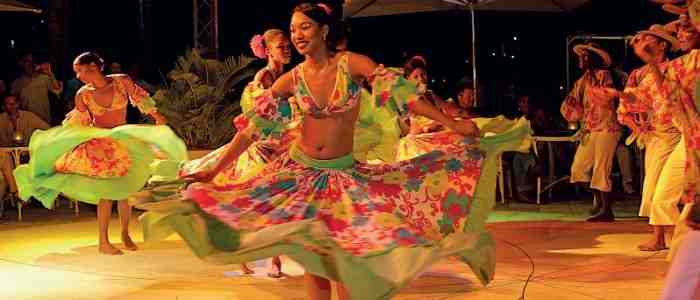
Sega music hits your chest before your ears. That ravanne drum thumps hard. Dancers in bright skirts spin so fast the fabric fly’s horizontal. Hotel performances feel sanitized compared to Sunday beach sessions where locals really let loose. Traditional musicians hate it when younger groups add keyboards, but crowds love it. Shows fill up quickly so grab tickets early. I want specific performance dates. Better contact us because schedules change weekly.
National Commemorations
Independence Day parade rolls through Port Louis with tanks and soldiers marching in formation. School groups perform dances they’ve rehearsed for months. Politicians talk for ages while people zone out. Republic Day copies the same format with different speeches. Both mean days off work so beaches overflow by noon. Traffic jams last till sunset.
Culinary Festivals
Festival food stalls go on forever. Gato pima costs 10 rupees, mine boille plates run 25, fresh cane juice 50. That dholl puri guy sell out by 1 PM every single time. Indian samosas compete with Chinese spring rolls while Creole rougaille bubbles in giant pots. The Bagatelle Mall of Mauritius hosts upscale versions with TV chefs but street stuff tastes way better.
Artisan Markets
Palm leaf baskets stack high at vendor stalls. One-woman weaves while sitting on the ground, her husband collecting payments. Wooden dodo carvings and model ships fill tables. Tourists get quoted double prices unless they bargain aggressively. Markets move between villages on weekends—check locally for this week’s location.
Nature Activities
Forest trails lead to temples tucked in hills. Eco-guided tours in Mauritius teach which plants help upset stomachs and which cause rashes. Getting to Kaylasson Temple Mauritius means climbing steep paths but valley view’s pay off. Scuba diving in Mauritius uncovers shipwrecks from Dutch merchant days, coral now covering old wood.
Language Usage
Creole dominates daily talk. “Mo fatigué” means I’m tired. Newspapers print in French mostly. English appears in textbooks and tourist pamphlets. Conversations mix all three randomly. Tamil speakers shift to Creole when chatting with Chinese neighbors who reply in French-Creole blend.
Annual Festival Calendar
| Month | Major Celebrations | Cultural Significance | Best Locations |
| January | Cavadee, Chinese New Year | Tamil devotion, Lunar calendar | Tamil temples, Chinatown |
| February | Maha Shivaratri | Hindu pilgrimage | Grand Bassin |
| March | Independence Day, Holi | National Pride, Spring festival | Port Louis, Public grounds |
| April | Ugadi | Telugu New Year | Hindu temples |
| May | Labour Day | Workers’ rights | Public venues |
| June | Eid celebrations | Islamic observance | Mosques nationwide |
| July | Cavadee | Tamil devotion | Northern temples |
| August | Raksha Bandhan | Sibling bonds | Hindu households |
| September | Ganesh Chaturthi | Elephant god worship | Temples, beaches |
| October | Diwali | Festival of lights | Residential areas |
| November | Ganga Asnan | Hindu ritual bathing | Grand Bassin |
| December | Christmas, Year End | Christian traditions | Churches, hotels |
Accommodation Options
Beach hotels charge premium, but proximity matters during cultural events in Mauritius celebrations. The Balaclava Mauritius luxury family hotels position you near northern festivities minus Port Louis gridlock. Guesthouses in Quatre Bornes cost 800 rupees nightly versus 5000 at shoreline places. Southern locations suit Shivaratri better since Grand Bassin lies that direction.
Planning Considerations
Lunar calendars wreck fixed scheduling. Diwali moves weeks annually. Chinese New Year bounces late January through mid-February. First, check festival dates after. Summer pushes 35 degrees with suffocating humidity. Winter mornings drop to 15, which islanders consider arctic. Cyclones threaten January through March, so weather updates become crucial.
Transportation Methods
Buses charge 25 rupees short distances, 50 for island crossings. Service stops at 8 PM except for festival nights when extras run late. Taxis skip meters—negotiate prices upfront. Rental cars mean adjusting to left-side driving. Roundabouts confuse newcomers initially. Need custom timing or specific pickups? Just contact us for transport setup.
Photography Guidelines
Temple priests dislike cameras during active prayers. Courtyards outside usually permit photos, but they verify first. Street processions welcome cameras—participants pose eagerly. Kids especially enjoy seeing themselves on screens. Mosques ban photography almost universally. Flying drones require aviation paperwork plus landowner permissions underneath flight paths.
Interaction Approaches
“Bonzour” covers morning until noon. “Bonsoir” replaces it afterward. Locals ask personal stuff immediately—income, marriage, children count. That’s normal curiosity not rudeness. Declining food seems insulting without good reasons. Hindu houses require shoe removal always. Muslim households may separate men and women during religious gatherings.
Safety Protocols
Festival crowds attract pickpockets regularly. Front pockets for wallets, zipped bags only. Phone grabbing happens on crowded streets. Religious venues demand covered shoulders, and long bottom shorts fail entry. Alcohol near temples or mosques creates conflicts. Police patrol major events, but arrival times vary wildly. Emergency numbers: police 999, ambulance 114.
Sustainable Practices
Plastic bags clog drainage after festivals finish. Bring reusable bags for shopping. Vendors operate on thin margins—harsh bargaining hurts them. Trails exist for reasons—stepping off fragile damage to plants. Nighttime noise travels far in residential blocks. Beach cleanup falls on overworked municipal crews so take your trash.
Frequently Asked Questions
What makes cultural events in Mauritius different from other places?
Everyone celebrates next to everyone else. Hindu temples literally share walls with Chinese pagodas. Muslim prayer calls echo while church bells clang. Three separate religious events happening on the same day in one block don’t surprise anyone here. That’s just Tuesday.
What should I wear to religious celebrations?
Long pants or skirts below knees minimum. Shirts must cover shoulders completely. Grab scarves for mosque head covering when required. Shoes off before entering worship buildings anywhere. Socks help if burning pavement bothers feet. Tight or see-through fabric gets rejected at entrances regardless of what locals wear casually elsewhere.
Will I have trouble with language barriers?
Younger people learned English in school decently. French works better with older generations. Creole rules conversations but people switch to English noticing confusion. Hand waving bridges communication gaps effectively. Phone translation apps rescue situations in remote village shops lacking English speakers.
Can tourists join religious ceremonies?
Watching gets accepted universally. Joining depends completely on specific rituals involved. Shivaratri pilgrimage welcomes anyone walking. Mosque prayers require understanding Muslim practices beforehand. Some temple ceremonies invite outsiders to receive blessings. Watch locals closely—step forward when gestured, hang back when ignored.
Are there rules about taking photos during festivals?
Sacred interior spaces prohibit cameras always. Outside zones rarely object. Street processions are photography heaven. Ask before snapping closeups of people directly. Distance group shots pass without complaints generally. Posted bans override everything—respect no-photo signs without exception.
How early should I book hotels for major festivals?
Shivaratri and Diwali require six months’ minimum advance booking. Medium festivals work with two months warning. Last-minute rooms exist but triple normal prices. Guesthouses fill slower than beach properties. Northern hotels book fastest except Shivaratri when southern areas get slammed.
Do cultural events in Mauritius work for families with kids?
Processions, music, festival food keep children happy. Daytime stuff suits families better than midnight ceremonies. Very small kids struggle with crowd noise and tropical heat. Pack snacks because vendor offerings might not suit picky eaters. Strollers become obstacles navigating packed festival grounds.
What about food during religious fasting periods?
Most restaurants maintain normal operations throughout the year. Some Hindu spots shrink menus during fasts but stay open. Muslim places shut completely during Ramadan daylight hours. Chinese and Creole establishments run regular schedules. Supermarkets stock full inventory ignoring religious calendars.
Does weather mess up outdoor celebrations?
Tropical downpours hit suddenly then vanish within 20 minutes typically. Events pause temporarily then continue. Organizers erect emergency shelters for critical ceremonies. Summer heat creates bigger issues than rain—dehydration strikes fast at 35 degrees. Cyclones occasionally cancel events but rarely.
Pingback: Hindu Festival in Mauritius: Complete Guide to Sacred Celebrations & Cultural Tours 2025